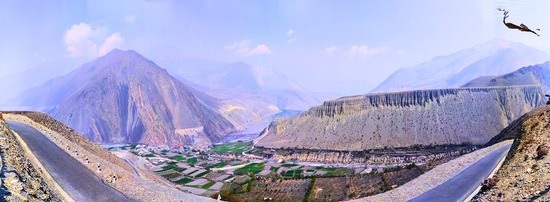
Mustang (or Lo Manthang) is a remote and semi-autonomous region in northern Nepal, bordering Tibet (China). It is part of the Dhaulagiri Zone in the Gandaki Province and is known for its unique Tibetan culture, ancient monasteries, and arid landscapes resembling the Tibetan Plateau.
Key Historical Points:
Early History (Before 15th Century)
Mustang was an important trade route between Tibet and India, part of the Salt Trade Route.
Influenced by Tibetan Buddhism, the region developed a distinct culture.
Kingdom of Lo (1380–2008)
Founded by Ame Pal in 1380, the Kingdom of Lo (Upper Mustang) was a Buddhist monarchy with close ties to Tibet.
It became a vassal state of Nepal in the 18th century but retained autonomy.
The capital, Lo Manthang, was a walled city with a royal palace and ancient monasteries.
Annexation by Nepal (2008)
After Nepal became a republic in 2008, the Kingdom of Lo was officially abolished, and Mustang was integrated into the federal structure.
The last king (Jigme Palbar Bista) lost his title but remained a cultural figure.
Restricted Access & Tourism
Due to its sensitive border location, Upper Mustang was closed to foreigners until 1992.
Today, it’s a restricted area, requiring a special permit for visitors.
Cultural & Religious Significance
Home to ancient Tibetan Buddhist monasteries like Thubchen Gompa and Luri Gompa.
The Tiji Festival (a three-day ritual) is a major attraction.
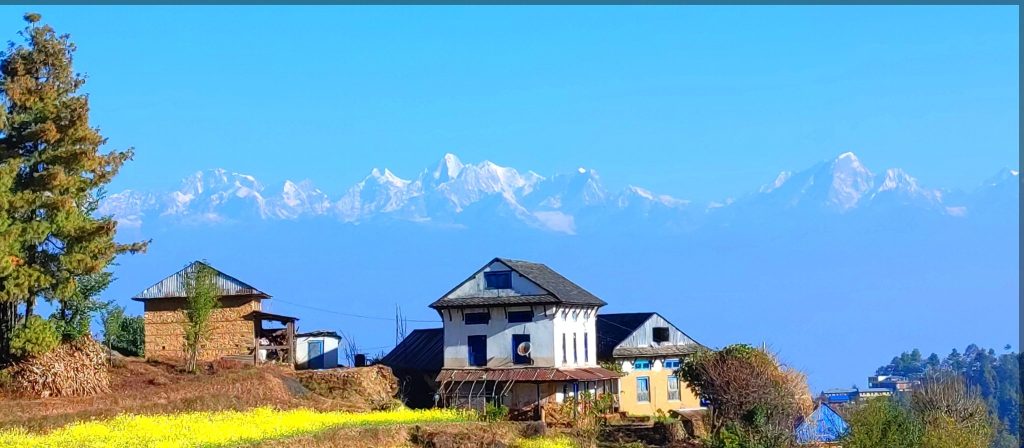
Mustang remains one of Nepal’s most preserved regions, blending Tibetan heritage with stunning Himalayan landscapes.